
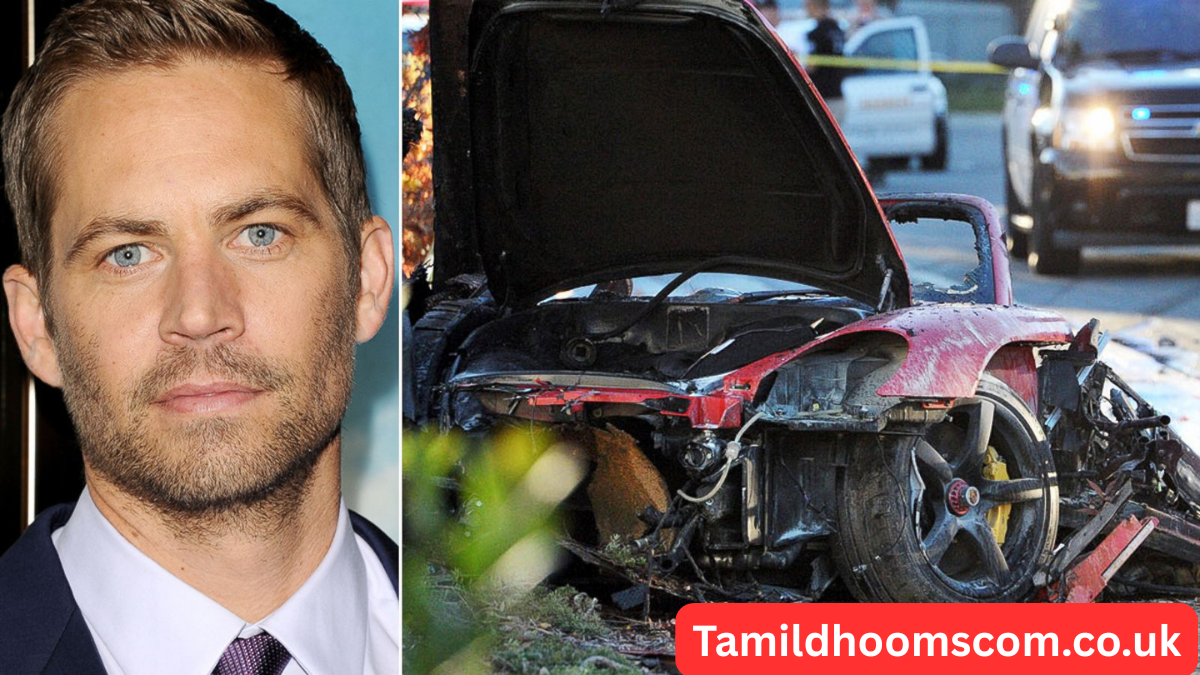
Introduction: Why the Paul Walker Crash Still Gets Talked About
The crash that took the life of Paul Walker continues to be one of the most discussed tragedies in modern Hollywood history. Even years later, people still search for details, explanations, and context around what exactly happened that day. Part of the reason it remains so widely talked about is because Walker wasn’t just another actor—he was deeply connected to a global film franchise and had a public image built around speed, cars, and adrenaline.
At its core, the incident was a road traffic collision that resulted in a fatal fire, but the story became much larger than that. It raised questions about high-performance vehicles, driver behavior, safety awareness, and even the risks associated with charity events involving sports cars. Over time, the crash has been analyzed from multiple angles, including mechanical factors, road conditions, and human decision-making.
What makes this topic particularly sensitive is how sudden and unexpectepaul walker crashd it was. Walker was in the middle of a busy career, especially known for his role in the Fast & Furious franchise, which revolved heavily around car culture. The irony of the situation made the tragedy even more impactful for fans around the world.
Who Paul Walker Was: Beyond the Action Star Image
Before discussing the crash itself, it’s important to understand who Paul Walker was as a person and why his death affected so many people globally. He was widely recognized for his role as Brian O’Conner in the Fast & Furious series, but his life outside the franchise was just as meaningful to his identity.
Walker was known for being passionate about marine biology, philanthropy, and outdoor adventure. He wasn’t someone who limited himself to Hollywood fame. In fact, he often spent time away from filming to engage in humanitarian efforts and travel. This balanced personality made him relatable to fans who saw him as more than just a celebrity.
His public image also had a strong connection to cars and driving culture. While many assumed this meant reckless behavior, those who knew him described him as a skilled and respectful driver who appreciated automotive engineering rather than unsafe speed. This distinction becomes important when analyzing the circumstances of the crash later on.
The Day of the Crash: What Was Happening
On the day of the incident, Walker was attending a charity event organized to support disaster relief efforts. The event involved high-performance sports cars and was aimed at raising funds for communities affected by natural disasters. It was meant to be a positive gathering centered around philanthropy and car enthusiasts.
Walker left the event as a passenger in a Porsche Carrera GT, a high-performance sports car known for its powerful engine and demanding handling characteristics. The vehicle was being driven by his friend and professional driver, Roger Rodas. The two were reportedly heading out for a short drive after the event.
What happened next turned a routine drive into a devastating accident. The vehicle lost control and crashed into a fixed object along the roadway. The impact was severe enough to cause immediate and catastrophic consequences, leading to a fire that engulfed the car.
Understanding the Crash Itself: Sequence of Events
The crash occurred in a relatively low-traffic area, which was often used by drivers familiar with the local roads. Early reports suggested that the car was traveling at a speed significantly above typical limits for that stretch of road. However, the exact speed has been debated in investigations and media analysis.
According to reconstructed timelines, the vehicle first made contact with a roadside fixture, which caused it to spin and collide again before coming to a stop. The sequence of impacts contributed to the severity of the damage. High-performance cars like the Porsche Carrera GT have extremely sensitive handling, especially at higher speeds.
One of the most critical factors in the crash was the immediate ignition of the vehicle after impact. The resulting fire made rescue efforts extremely difficult and ultimately contributed to the fatal outcome. This aspect of the crash has been widely discussed in automotive safety studies since then.
Investigation Findings: What Authorities Concluded
Following the crash, authorities conducted a detailed investigation to determine the cause. The findings pointed to a combination of excessive speed and loss of control as primary contributing factors. Road conditions and environmental factors were also reviewed, but they were not considered major causes.
Mechanical inspections of the vehicle suggested that it was functioning normally prior to the collision. This helped rule out any major mechanical failure as the primary reason for the accident. Instead, the focus remained on driving dynamics and speed management in a high-performance car.
The investigation also highlighted the challenging nature of the Porsche Carrera GT itself. The car is known among automotive experts as a vehicle that requires advanced driving skill due to its lack of electronic stability control systems common in modern supercars. This characteristic has often been cited in discussions about why the crash became so severe.
The Role of the Porsche Carrera GT in the Incident
The Porsche Carrera GT played a central role in discussions about the crash due to its reputation as a highly demanding supercar. Unlike many modern sports cars, it lacks advanced driver assistance systems that help prevent loss of control in emergency situations.
This model is powered by a V10 engine and was originally designed as a track-inspired vehicle adapted for road use. Its performance capabilities are extreme, but so is the skill required to handle it safely under pressure. Even experienced drivers have described it as unforgiving when pushed beyond its limits.
After the crash, the Carrera GT became a subject of renewed scrutiny in automotive safety discussions. Some experts argued that the vehicle’s design philosophy prioritizes performance over accessibility, which can increase risks when driven aggressively on public roads.
Public Reaction: Shock and Global Grief
When news of the crash broke, the global reaction was immediate and emotional. Fans of the Fast & Furious franchise expressed disbelief, as Walker’s character was still active in ongoing films at the time. Social media platforms were flooded with tributes, memories, and expressions of shock.
Many people struggled to reconcile the image of Walker as a calm, grounded individual with the sudden and violent nature of the accident. This emotional disconnect contributed to the widespread attention the incident received across news outlets and entertainment media.
His co-stars and colleagues also publicly expressed grief. The film industry paused to acknowledge his contribution to cinema, especially his role in shaping one of the most successful action franchises in modern history.
Media Coverage and Global Attention
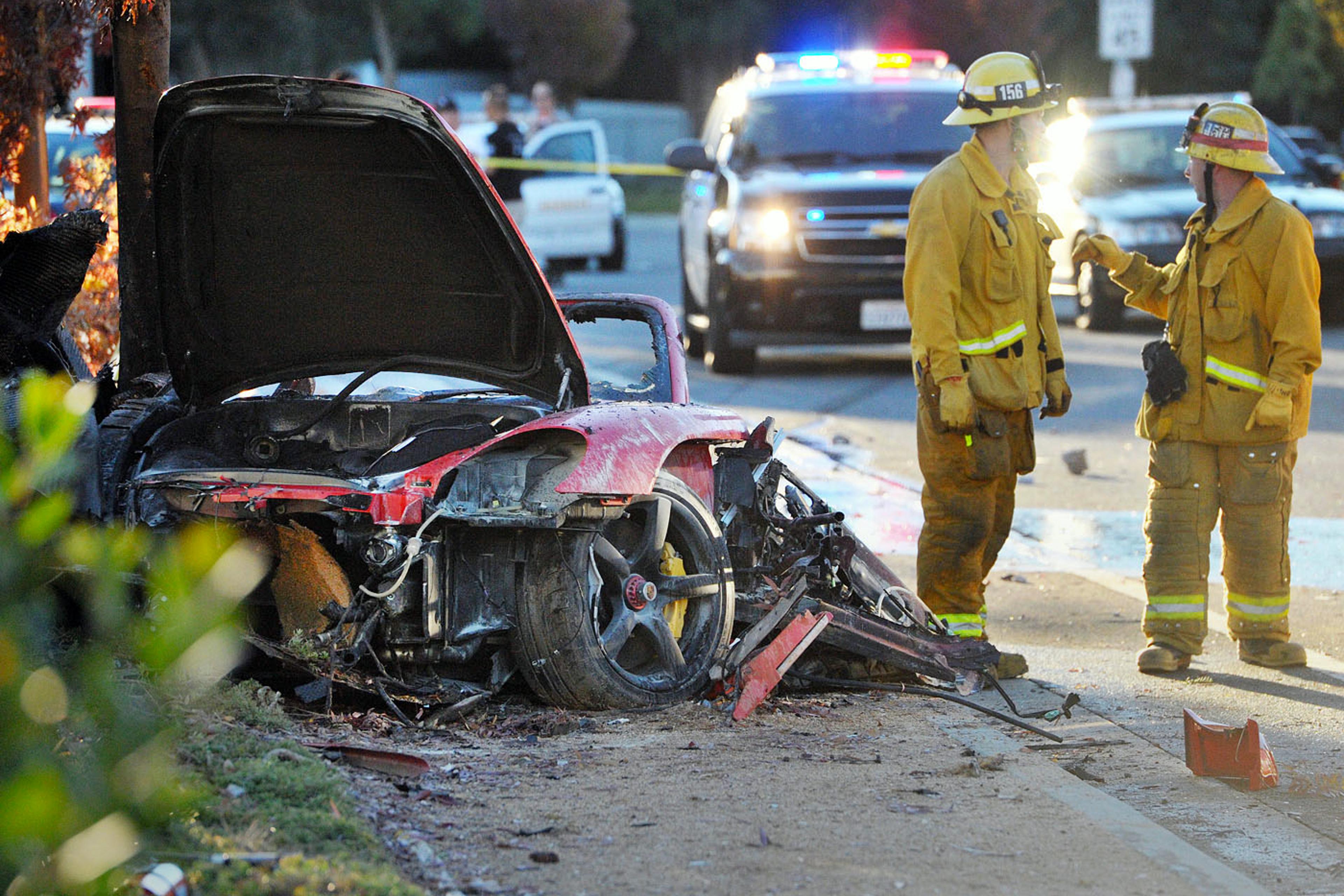
The media coverage surrounding the crash was extensive and sustained for weeks after the incident. News organizations around the world reported on updates, investigation findings, and reactions from the entertainment industry. The story quickly became international news due to Walker’s global popularity.
Over time, coverage shifted from immediate reporting to deeper analysis. Journalists explored topics such as car safety, celebrity culture, and the risks associated with high-speed vehicles. Some reports also examined how the Fast & Furious franchise influenced public perception of street racing and car culture.
Despite the passage of time, the crash continues to appear in retrospective coverage, especially on anniversaries of Walker’s death. This ongoing attention reflects both his lasting influence and the public’s continued interest in understanding what happened.
Legacy of Paul Walker: Foundation and Continuing Impact
Following the tragedy, Walker’s family and close friends established initiatives to continue his philanthropic work. One of the most notable efforts is the Paul Walker Foundation, which focuses on marine science, environmental protection, and humanitarian causes.
The foundation reflects Walker’s personal passions outside of acting. It supports educational programs and research initiatives aimed at preserving oceans and marine life. This work helps ensure that his legacy extends beyond his film career.
In addition to formal charitable efforts, his influence remains visible in the Fast & Furious franchise itself. The films have included tributes and narrative adjustments to honor his character and contribution to the series.
Impact on the Fast & Furious Franchise
Walker’s passing had a significant impact on the direction of the Fast & Furious films. At the time of his death, he was still actively involved in production. The filmmakers faced the difficult task of completing his remaining scenes in a respectful and technically complex manner.
Advanced visual effects and body doubles were used to complete his role in later installments. The decision was widely discussed in the industry as an example of balancing storytelling with real-life tragedy. Ultimately, his character was given a respectful narrative exit.
The franchise also incorporated emotional tributes that acknowledged both the actor and the person behind the role. These moments resonated strongly with fans and helped shape the emotional tone of subsequent films.
Safety Discussions and Lessons Learned
One of the long-term outcomes of the crash has been increased awareness around high-performance vehicle safety. The incident is often referenced in discussions about responsible driving, especially when it comes to supercars that require advanced handling skills.
Experts frequently emphasize that vehicles like the Porsche Carrera GT are not designed for casual or high-risk driving on public roads. The paul walker crash highlighted how quickly conditions can become uncontrollable when speed and vehicle dynamics exceed safe limits.
It also contributed to broader conversations about automotive safety technology. Modern supercars now often include more advanced stability systems, traction control features, and driver assistance technologies designed to reduce the likelihood of similar incidents.
Ongoing Public Interest and Cultural Memory
Even more than a decade later, the crash remains a topic of ongoing public interest. Online discussions, documentaries, and retrospective articles continue to revisit the event from different perspectives. This sustained attention reflects both curiosity and the lasting emotional impact of Walker’s death.
Part of the reason for this continued interest is the intersection of celebrity culture and automotive fascination. Walker represented a unique blend of Hollywood fame and car enthusiasm, making his story particularly compelling to fans of both worlds.
As time passes, the narrative has shifted from shock and grief to reflection and analysis. People now tend to focus more on his legacy, contributions, and the broader lessons that can be learned from the tragedy.
FAQs
What caused the Paul Walker crash?
The crash was primarily attributed to loss of control at high speed combined with the challenging handling characteristics of the vehicle.
Who was driving the car during the crash?
The car was being driven by Roger Rodas, a close friend of Paul Walker.
Was the Porsche Carrera GT defective?
Investigations did not find evidence of mechanical failure as the cause of the crash.
How did Paul Walker contribute to charity work?
He was actively involved in humanitarian efforts, including disaster relief and environmental causes through his foundation.
Did the Fast & Furious franchise continue after his death?
Yes, the franchise continued and incorporated tributes and story adjustments to honor his legacy.
Also read: Nick Stapleton Wife: What Is Known About His Personal Life and Privacy