
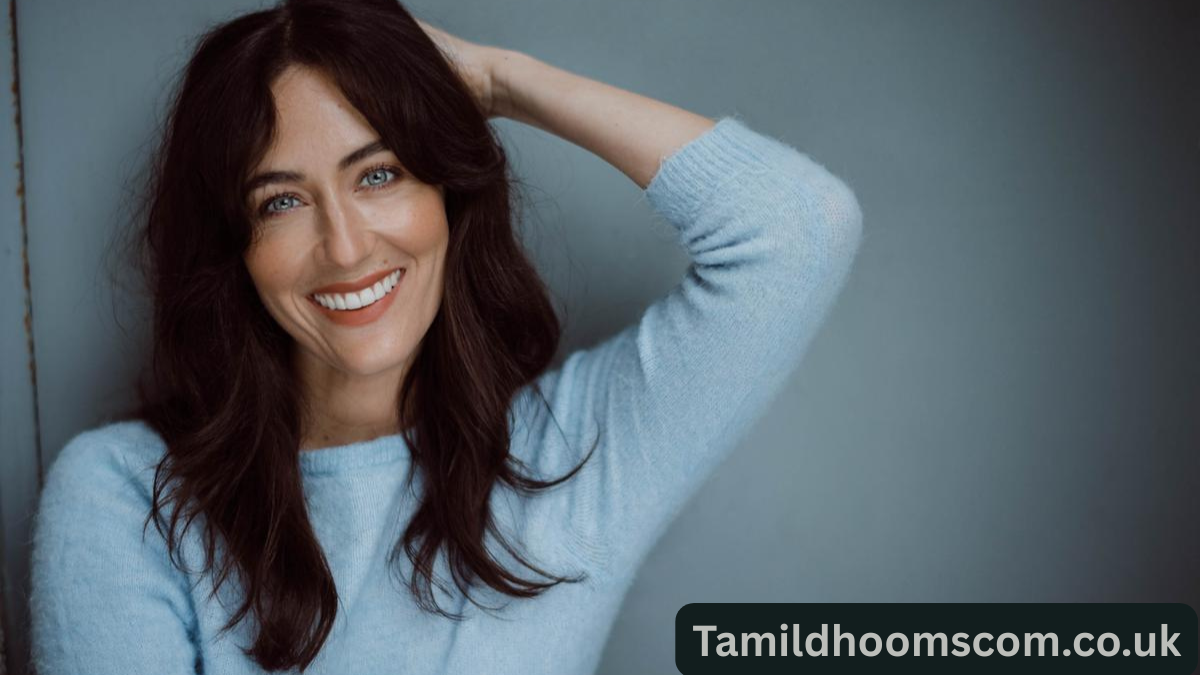
Claire Lovering has steadily become a recognizable and respected name in the Australian acting landscape, known for her grounded performances, natural comedic timing, and ability to bring emotional depth to both stage and screen roles. While she may not yet be a globally mainstream celebrity, her work has carved out a meaningful space within modern Australian television, theatre, and independent film, where authenticity and character-driven storytelling matter more than spectacle.
What makes Claire Lovering particularly interesting as an artist is her versatility. She moves between comedy and drama with ease, often within the same project, and tends to portray characters that feel lived-in rather than exaggerated. This has made her a favorite among directors who prioritize subtle performance work over theatrical intensity. Her career reflects a slow-burn rise rather than an overnight breakout, which is often the case with actors who build long-term credibility in the industry.
Over the years, she has become associated with thoughtful storytelling and ensemble-driven productions, where collaboration is just as important as individual performance. Her presence in projects like contemporary Australian comedy series and stage productions has helped shape her identity as a performer who enhances the overall narrative rather than overpowering it. This article takes a deeper look at her background, career trajectory, artistic style, and growing influence in the entertainment industry.
Early Life and Background
Claire Lovering’s early life played a foundational role in shaping her artistic instincts, even if she did not begin her journey with immediate industry connections or fame. Like many Australian actors who eventually find their way into television and theatre, her early environment likely exposed her to a blend of cultural influences that encouraged creativity, storytelling, and performance exploration. These formative experiences often become the quiet backbone of an actor’s emotional intelligence later in life.
Growing up, she developed an interest in performance not as a sudden ambition but more as an evolving curiosity. Many actors describe this stage of life as a period of observation, where they absorb human behavior, speech patterns, humor, and emotional reactions long before they step into formal training. Claire Lovering’s later performances suggest a deep familiarity with real-world nuance, which often comes from this kind of early observational learning.
Her background also reflects a broader trend among Australian performers who come from non-industry families yet still manage to find pathways into acting through local arts communities, school programs, or theatre workshops. This grounding outside of celebrity culture often contributes to a more authentic acting style, as it tends to be rooted in lived experience rather than industry expectation.
Education and Acting Training
Education and training are often the invisible scaffolding behind a successful acting career, and Claire Lovering is no exception. While specific institutional details may vary in public records, her career trajectory suggests formal or semi-formal training in acting techniques, stagecraft, or performance studies. In Australia, many actors refine their craft through respected drama schools or conservatories that emphasize both classical and contemporary methods.
Training in acting is not just about learning lines or hitting emotional beats; it is about developing discipline, understanding character psychology, and mastering the physical and vocal demands of performance. Claire Lovering’s ability to shift between comedic timing and emotionally grounded roles suggests a strong technical foundation, likely built through structured learning environments combined with practical experience.
Beyond formal education, ongoing development is a key part of any actor’s journey. Workshops, rehearsals, and collaborative theatre environments often serve as continuous classrooms. For an actor like Lovering, who has worked across different mediums, this ongoing refinement is essential. It allows her to adapt to the demands of television production while maintaining the immediacy and presence required in theatre work.
Theatre Beginnings and Stage Experience
Theatre often serves as the heartbeat of an actor’s craft, and Claire Lovering’s early career is closely tied to stage performance. Theatre demands a level of consistency and emotional endurance that is different from screen acting, and it is often where actors develop their strongest technical foundations. Performing live requires presence, adaptability, and the ability to connect with an audience in real time.
In stage environments, actors must sustain character continuity throughout extended scenes without the benefit of multiple takes. This kind of discipline helps shape performers who are confident, responsive, and deeply aware of timing. Claire Lovering’s stage work likely contributed significantly to her ability to deliver naturalistic performances in front of the camera later in her career.
Australian theatre, in particular, is known for its emphasis on character-driven narratives and contemporary social themes. Working in this space would have given her exposure to complex roles that require emotional honesty and subtlety. These experiences often translate into screen performances that feel authentic and grounded, qualities that are frequently associated with her acting style today.
Transition into Screen Acting
Moving from theatre to screen is a pivotal shift in any actor’s career, and Claire Lovering’s transition reflects a natural progression rather than a sudden reinvention. Screen acting requires a different kind of restraint, where smaller gestures, facial expressions, and controlled vocal delivery become more important than theatrical projection.
This transition often challenges actors to recalibrate their instincts. What works on stage can sometimes feel exaggerated on camera, so learning to scale performance without losing emotional truth is essential. Lovering’s screen work demonstrates an understanding of this balance, suggesting that she adapted her theatrical foundation effectively for television and film environments.
Her early screen appearances helped establish her presence in the Australian entertainment industry. These roles often serve as testing grounds for versatility, allowing actors to experiment with different genres, tones, and character types. For Lovering, this phase likely helped solidify her reputation as a reliable and expressive performer capable of fitting into ensemble casts.
Notable Television Roles and Recognition
Claire Lovering’s visibility increased significantly through her work in Australian television, where she became part of several contemporary productions that reached wider audiences. One of the most notable aspects of her career is her involvement in modern comedic storytelling, where timing and relatability are essential.
She has appeared in projects that emphasize character-driven humor and realistic relationship dynamics, which align well with her acting strengths. In ensemble comedies especially, her ability to deliver understated yet impactful performances allows her to stand out without overshadowing other cast members. This balance is a valuable trait in television, where chemistry often matters as much as individual talent.
Her role in popular Australian series such as contemporary relationship comedies has contributed to her growing recognition. These performances showcase her ability to navigate both humor and emotional depth within the same narrative framework. Over time, this has helped her build a reputation as a dependable and adaptable screen actor.
Film Appearances and On-Screen Range
While television and theatre form a significant part of Claire Lovering’s career, her involvement in film adds another layer to her artistic profile. Film acting often demands even greater subtlety than television, with close-up shots capturing every micro-expression and emotional shift.
In film environments, actors must rely heavily on internalization, allowing emotions to emerge naturally rather than being externally expressed. Lovering’s screen presence suggests an understanding of this technique, as she tends to portray characters with emotional clarity without overstatement. This makes her performances suitable for both independent films and larger productions that prioritize realism.
Her film work also contributes to her versatility as an actor. By participating in different formats, she expands her creative range and demonstrates adaptability across storytelling mediums. Whether working in short-form narratives or feature-length projects, she maintains a consistent commitment to authenticity.
Acting Style and Creative Approach
Claire Lovering’s acting style can be described as naturalistic, grounded, and emotionally intelligent. Rather than relying on exaggerated expressions or theatrical intensity, she tends to focus on subtle emotional cues, body language, and conversational rhythm. This makes her performances feel relatable and human.
One of the defining features of her approach is her ability to listen within a scene. Acting is not just about delivering lines; it is about reacting truthfully to other performers. Lovering’s work often reflects this principle, as she appears fully present in shared scenes, allowing interactions to feel organic rather than scripted.
Her comedic timing is another important aspect of her style. Instead of forcing humor, she often allows it to emerge from character dynamics and situational context. This kind of subtle comedy is often more effective in contemporary storytelling, especially in shows that blend humor with emotional realism.
Collaborations and Industry Relationships

Collaboration plays a crucial role in any actor’s career, and Claire Lovering’s body of work suggests strong professional relationships within the Australian entertainment industry. Working consistently in theatre, television, and film requires trust between actors, directors, and production teams.
Actors who are repeatedly cast in ensemble projects often develop reputations for being easy to work with, adaptable, and creatively responsive. Lovering’s continued presence in collaborative productions indicates that she is valued not only for her talent but also for her professionalism and reliability on set.
These collaborations also influence artistic growth. Working alongside experienced directors and fellow actors allows for continuous learning and experimentation. Over time, these shared creative environments help refine an actor’s instincts and expand their range.
Critical Reception and Audience Perception
Claire Lovering’s performances have generally been received positively by audiences and critics who appreciate understated and character-driven acting. While she may not always be positioned as the central star of a production, her contributions are often noted for their authenticity and consistency.
In ensemble casts, supporting roles are just as important as leading ones, especially when they help build the emotional and narrative structure of a story. Lovering’s ability to enhance scenes without dominating them has contributed to her reputation as a strong ensemble actor.
Audience perception of her work tends to focus on relatability. Viewers often connect with characters that feel realistic and emotionally accessible, and this is a recurring strength in her performances. Over time, this has helped her build a steady and loyal audience base.
Public Image and Media Presence
Claire Lovering maintains a relatively grounded public image, especially compared to more high-profile celebrities in the entertainment industry. This aligns with many Australian actors who prioritize craft over publicity. Her media presence tends to focus on professional achievements rather than personal exposure.
In interviews and promotional contexts, she is often described as thoughtful, articulate, and focused on her work. This reinforces the impression that she approaches acting as a craft rather than a celebrity pursuit. Such an approach often resonates well in industries that value authenticity.
Her social and public persona reflects a balance between accessibility and privacy. She engages with the industry and audience when necessary but does not heavily rely on media visibility to define her career.
Challenges and Artistic Growth
Like many actors working in competitive industries, Claire Lovering’s career likely includes periods of uncertainty, audition cycles, and role variability. These challenges are common in acting professions, where stability is often built gradually over time rather than immediately.
Navigating these challenges requires resilience and adaptability. Actors must constantly refine their skills, audition for diverse roles, and remain open to different types of projects. Lovering’s sustained presence in the industry suggests that she has successfully managed these dynamics.
Growth in acting often comes from experience rather than theory alone. Each role contributes to a broader understanding of character development, emotional expression, and performance technique. Over time, these experiences accumulate into a more refined artistic identity.
Industry Impact and Contribution
Claire Lovering’s contribution to the Australian entertainment landscape lies in her consistent delivery of authentic, grounded performances. While she may not be defined by blockbuster fame, her work represents the backbone of many successful productions that rely on ensemble strength.
Actors like her play a crucial role in shaping the quality of television and theatre, ensuring that narratives feel believable and emotionally engaging. Her presence in contemporary Australian storytelling reflects the importance of skilled supporting and ensemble performers in the industry.
Her career also highlights the strength of Australian acting culture, which often emphasizes realism, subtlety, and character depth. In this context, her work aligns with broader industry values that prioritize storytelling integrity over spectacle.
Recent Work and Continuing Career
In recent years, Claire Lovering has continued to appear in Australian screen productions, particularly within the growing landscape of streaming-era television. This new era of content creation has expanded opportunities for actors in ensemble comedies and drama series.
Her continued involvement in contemporary productions indicates sustained demand for her skill set. As the industry evolves, actors who can adapt to shifting formats and storytelling styles remain highly valuable. Lovering’s versatility positions her well within this changing environment.
She also continues to benefit from the increasing global visibility of Australian content. As local productions reach international audiences through streaming platforms, actors like her gain broader recognition without necessarily changing their core artistic approach.
Future Prospects and Artistic Direction
Looking ahead, Claire Lovering’s career appears positioned for continued growth within both Australian and potentially international markets. Her established strengths in naturalistic acting and ensemble performance make her suitable for a wide range of roles.
As the entertainment industry continues to diversify, there is increasing demand for actors who can deliver authentic, character-driven performances across genres. This creates opportunities in both mainstream and independent productions.
Her future trajectory will likely continue balancing theatre, television, and film work, allowing her to maintain artistic flexibility while exploring new creative challenges. This kind of multidimensional career path is often associated with long-term sustainability in acting.
FAQs
Who is Claire Lovering?
Claire Lovering is an Australian actress known for her work in theatre, television, and film, particularly in character-driven and comedic ensemble productions.
What is Claire Lovering known for?
She is known for her naturalistic acting style and roles in contemporary Australian TV series and stage productions.
Is Claire Lovering primarily a theatre or screen actress?
She works across both theatre and screen, with experience in stage performance, television, and film.
What type of acting style does Claire Lovering use?
Her style is grounded, naturalistic, and focused on subtle emotional expression and realistic character interaction.
Has Claire Lovering worked in comedy roles?
Yes, she has appeared in comedic productions where timing and understated humor are key elements.
Is Claire Lovering active in recent productions?
Yes, she continues to work in Australian television and contemporary screen projects.
What makes Claire Lovering’s performances stand out?
Her ability to deliver authentic, relatable, and emotionally balanced performances within ensemble casts makes her stand out.
Also read: Inspector Gerri: The Analytical Mind Behind a Modern Investigative Archetype