
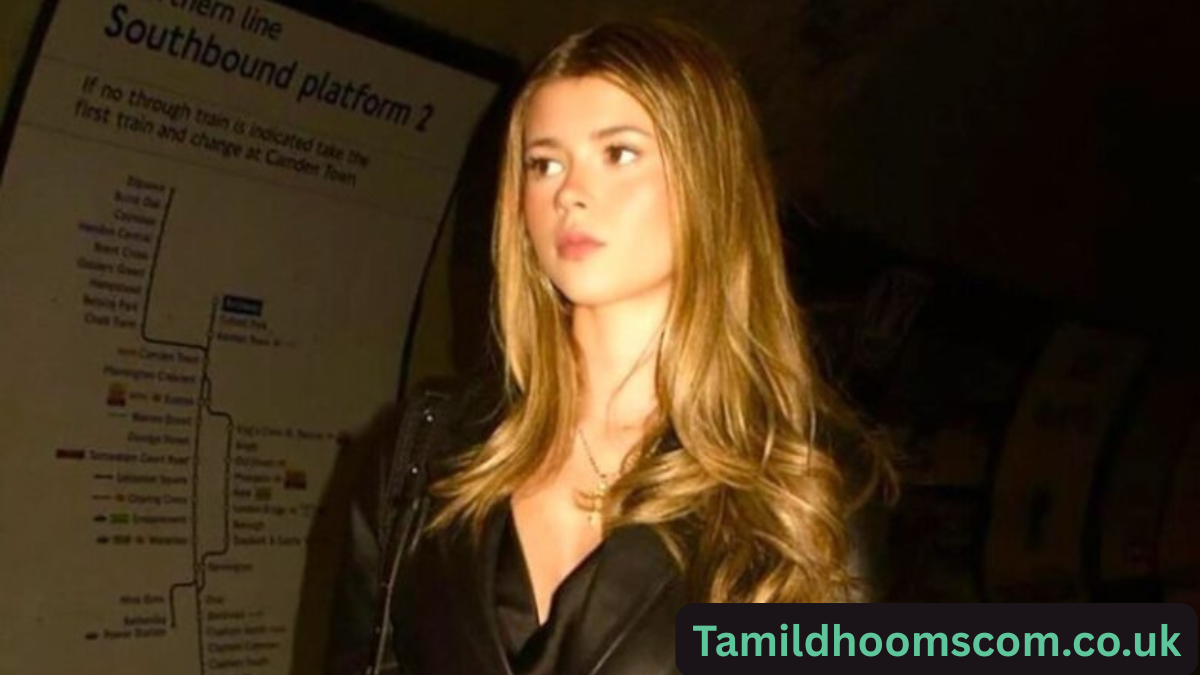
Introduction to Darcey Draper
Darcey Draper is a name that has been gaining attention in the world of performance arts, particularly among audiences who follow young rising talents in dance and gymnastics. While she may not yet be a mainstream global celebrity, her growing presence across competitive platforms and social media showcases a journey that reflects dedication, discipline, and early mastery of physical performance. What makes her stand out is not just her talent, but the consistency with which she has developed her skills over time.
In many cases, young performers either burn brightly for a short period or struggle to maintain progression due to pressure. Darcey Draper, however, is often discussed in contexts where gradual improvement and structured training are highlighted. This suggests that her path has been carefully guided, likely by experienced coaches and a supportive environment that values long-term development over quick fame. That foundation is often what separates fleeting attention from lasting careers.
Her name is frequently associated with dance training environments that emphasize both technical precision and expressive movement. Whether in ballet-inspired routines, contemporary choreography, or gymnastic floor performances, she is often described as someone who brings emotional clarity to physical execution. This blend is not easy to achieve at a young age, which is why her development draws interest from enthusiasts and professionals alike.
Understanding Darcey Draper requires looking beyond surface-level performances. It involves exploring how young athletes and performers grow within structured artistic ecosystems, how they balance education and training, and how early exposure to competition shapes their mindset. Her journey reflects many of these dynamics in a way that feels both relatable and aspirational.
Early Life and Background
Darcey Draper’s early life is often described through the lens of structured activity and exposure to movement-based disciplines from a young age. Many performers who reach notable recognition in dance or gymnastics begin training early, and her background appears to follow a similar pattern. Early childhood involvement in physical activities helps develop coordination, rhythm, and spatial awareness, all of which are essential for advanced performance.
Growing up in an environment that values creativity and discipline plays a major role in shaping a young performer’s mindset. In Darcey Draper’s case, her early exposure likely included foundational classes in dance or movement arts, where basic techniques are introduced in a playful but structured way. These early sessions are not just about learning steps, but about developing comfort in expressing oneself through movement.
Family influence is often a key factor in the development of young talents. Support systems that encourage consistent practice without overwhelming pressure tend to produce more balanced performers. While specific personal details may vary, what is generally evident in cases like hers is a balance between encouragement and structure. This balance allows children to explore their interests while building discipline gradually.
As she progressed through early training stages, the transition from recreational participation to more focused instruction likely became a turning point. This is where natural interest begins to align with formal skill-building. For many young performers, this stage determines whether they continue casually or move toward competitive or professional pathways.
Training and Development Journey
Darcey Draper’s development as a performer can be understood through the structured progression typical in dance and gymnastics training systems. These systems often begin with foundational technique, where posture, flexibility, balance, and timing are emphasized repeatedly. Over time, these basics evolve into more complex combinations that require both physical strength and artistic interpretation.
Training at a young age is not only physically demanding but also mentally shaping. It requires focus, repetition, and the ability to accept correction constructively. In Darcey Draper’s case, her continued improvement suggests that she has adapted well to this environment. The ability to refine movement based on feedback is one of the strongest indicators of long-term potential in performance-based disciplines.
As training intensifies, performers are often introduced to choreography that demands emotional engagement. This is where technical ability merges with storytelling. Instead of simply executing steps, dancers and gymnasts learn to communicate themes and emotions through movement. Darcey Draper’s performances are often discussed in this context, highlighting her ability to bring expression into structured routines.
Another important aspect of development is cross-training. Many young performers engage in multiple styles or complementary physical activities to enhance their versatility. This might include ballet for posture, contemporary dance for expression, or gymnastics for strength and agility. Such diversity in training contributes to a more complete skill set, allowing performers to adapt to various performance environments.
Performance Style and Artistic Expression
Darcey Draper’s performance style is often described as a blend of precision and emotional clarity. This combination is particularly valued in disciplines where storytelling through movement is essential. Instead of focusing solely on technical execution, her style appears to emphasize how movements feel and connect with the audience.
One of the defining features of her approach is fluidity. Smooth transitions between movements suggest a strong understanding of body control and rhythm. This is not something that develops overnight; it comes from consistent repetition and an awareness of musical timing. In performance arts, this ability often distinguishes good performers from memorable ones.
Expression is another key component of her style. Whether performing on stage or in a competitive setting, Darcey Draper is often noted for her ability to convey emotion through facial expression and body language. This is particularly important in dance and gymnastics routines where judges and audiences look for more than technical accuracy.
Her artistic development also reflects adaptability. Different routines require different emotional tones—some are soft and lyrical, while others are sharp and energetic. Being able to shift between these styles indicates a mature understanding of performance dynamics. It also shows that she is not limited to one artistic identity but is capable of exploring multiple forms of expression.
Competitive Experience and Achievements
Competition is a significant part of any performer’s journey, and Darcey Draper’s involvement in competitive environments has contributed to her growth. Competitions provide structure, benchmarks, and opportunities to perform under pressure. These experiences are essential for developing resilience and stage confidence.
In competitive settings, performers are evaluated not only on technical accuracy but also on presentation, creativity, and consistency. Darcey Draper’s performances in such environments are often associated with strong composure. Maintaining focus under pressure is a skill that takes years to develop, and it is a clear indicator of her dedication.
Achievements in early careers are not always measured solely by medals or rankings. Improvement over time, consistency in performance quality, and recognition from coaches or judges are equally important. In many cases, young performers build their reputation gradually through steady progress rather than sudden breakthroughs.
Competitive exposure also teaches valuable lessons about handling success and setbacks. Learning to perform well regardless of outcome builds emotional maturity. For Darcey Draper, this aspect of competition likely plays a major role in shaping her mindset as she continues to evolve in her field.
Influence of Training Environment and Coaching
The environment in which a performer trains can significantly impact their development, and Darcey Draper’s progression reflects the importance of structured coaching. Coaches in dance and gymnastics not only teach technique but also guide mental preparation, discipline, and artistic interpretation.
A strong coaching relationship is built on trust and communication. Feedback must be clear, constructive, and consistent. For young performers, this guidance helps them understand their strengths and areas for improvement without discouraging their enthusiasm. Darcey Draper’s continued progress suggests that she benefits from such an environment.
Training facilities also play a role in shaping development. Access to proper equipment, safe practice spaces, and exposure to group training sessions enhances learning. Being surrounded by other motivated performers can create a healthy competitive atmosphere that encourages improvement.
In many cases, coaching also extends beyond physical training. It includes advice on performance psychology, time management, and balancing academic responsibilities. This holistic approach ensures that young performers like Darcey Draper develop not only as athletes or dancers but as well-rounded individuals.
Social Media Presence and Public Attention
In today’s digital world, young performers often gain visibility through social media platforms, and Darcey Draper is no exception. Online exposure can amplify recognition, allowing audiences beyond local competitions to engage with her performances. This visibility can be both an opportunity and a responsibility.
Social media presence allows performers to showcase routines, training progress, and achievements. It also provides a platform for inspiration, especially for other young aspiring dancers and gymnasts. Darcey Draper’s online presence, where applicable, contributes to building a connection with audiences who follow her journey.
However, visibility also comes with challenges. Public attention can create pressure to maintain performance standards consistently. It can also lead to increased scrutiny, which requires emotional resilience. Managing this aspect of recognition is an important part of modern performance careers.
Despite these challenges, digital platforms also offer learning opportunities. Feedback from audiences, exposure to global talent, and access to diverse performance styles can contribute positively to development. For Darcey Draper, this digital dimension likely complements her physical training in meaningful ways.
Challenges and Growth Through Experience
Like any developing performer, Darcey Draper’s journey is not without challenges. Physical strain, performance pressure, and balancing multiple responsibilities are common experiences in her field. These challenges, however, often contribute to long-term growth when managed effectively.
One of the key challenges in dance and gymnastics is injury prevention. Continuous training requires careful attention to technique and recovery. Learning how to protect the body while maintaining performance quality is an essential part of development. This awareness typically grows with experience and guidance.
Another challenge is maintaining motivation over time. Early enthusiasm can sometimes fade when training becomes repetitive or demanding. However, performers who remain consistent often develop deeper passion and discipline. Darcey Draper’s continued progress suggests she has managed to maintain this balance effectively.
Emotional resilience is equally important. Handling criticism, dealing with competition outcomes, and managing expectations require maturity. These experiences, while difficult, contribute significantly to personal and professional growth.
Future Potential and Career Outlook
Looking ahead, Darcey Draper’s future potential appears closely tied to her continued development in performance arts. Whether she chooses to focus on competitive gymnastics, professional dance, or a hybrid path, her foundational skills provide a strong base for multiple opportunities.
As performers mature, they often specialize further, refining their style and expanding their technical repertoire. This stage of development involves deeper artistic exploration and higher-level training. For Darcey Draper, this could mean transitioning into more advanced choreography and international exposure.
Career pathways in this field can vary widely. Some performers move into professional touring companies, others become coaches or choreographers, and some expand into media and entertainment industries. The versatility of skills developed through dance and gymnastics opens many doors.
Her future will likely depend on continued dedication, access to training opportunities, and personal interests. What remains consistent, however, is the foundation she has already built through years of disciplined practice and performance experience.
Conclusion
Darcey Draper represents the journey of a young performer navigating the demanding yet rewarding world of dance and gymnastics. Her development reflects the importance of early training, consistent practice, supportive coaching, and emotional resilience. While her career is still evolving, the structure of her progress indicates strong potential for continued growth.
What makes her story compelling is not just her talent, but the way it has been nurtured over time. From foundational training to competitive experiences, every stage of her journey contributes to a broader understanding of what it takes to develop in performance arts. Her path is a reminder that success in these fields is built gradually through discipline and passion.
As she continues to grow, Darcey Draper’s journey will likely evolve in new and unexpected ways. Whether through competition, performance, or artistic exploration, her foundation ensures that she has multiple directions to pursue. Her story ultimately reflects the broader narrative of young talent shaped by dedication and opportunity.
FAQs
What is Darcey Draper known for?
Darcey Draper is known for her involvement in dance and gymnastics, where she showcases strong technical skills and expressive performance ability.
How did Darcey Draper start her journey?
She began her journey through early exposure to movement-based activities and structured training in dance or gymnastics from a young age.
What makes her performance style unique?
Her style is often described as a combination of precision, fluid movement, and emotional expression that connects well with audiences.
Does Darcey Draper compete in events?
Yes, she has participated in competitive environments that help her develop discipline, confidence, and performance consistency.
What is her future potential?
Her future potential includes opportunities in professional dance, gymnastics, choreography, or broader performance-based careers depending on her development path.
Also read: Clair Buckley: Meaning, Identity, Digital Presence, and Context Explained