
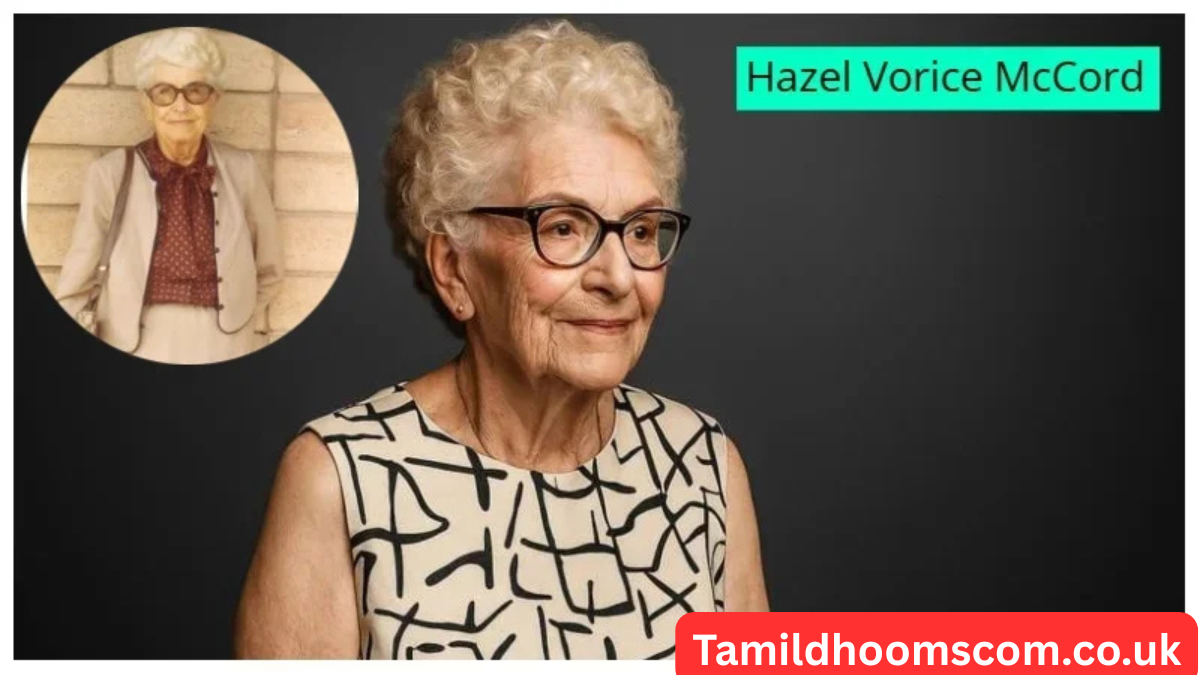
Introduction: Understanding the Context Behind the Name Hazel Vorice McCord
When a name like Hazel Vorice McCord appears in research, discussions, or search queries, it naturally invites curiosity. At first glance, it reads like a full personal identity—first name, middle name, and surname—but what makes it interesting is the lack of widely available, clearly documented public information tied to it. That immediately shifts the focus from biography to interpretation, context, and research methodology.
In many cases like this, names surface in fragmented records, family trees, local archives, or digital footprints that are not consolidated into mainstream historical or public databases. Because of that, the discussion often becomes less about confirmed life events and more about understanding what the name could represent, where it might originate, and how such identities are traced.
This article takes an analytical approach rather than assuming specific biographical facts. Instead of inventing details, it explores the linguistic structure of the name, historical naming conventions, possible genealogical roots, and the challenges of verifying identities that are not widely documented. The goal is to treat the name as a real-world research subject while maintaining accuracy and avoiding unsupported claims.
The First Name Hazel: Origins, Meaning, and Cultural Significance
The name Hazel has a long and well-documented linguistic and cultural history. It originates from Old English, where it is associated with the hazel tree, a plant known for its resilience, beauty, and practical uses. In early naming traditions, names derived from nature were extremely common, especially in English-speaking regions.
Hazel became more popular as a given name during the late 19th and early 20th centuries, particularly in the United States and the United Kingdom. It was part of a broader trend where botanical and nature-inspired names gained traction due to their soft phonetics and symbolic meanings. Hazel, in particular, is often associated with wisdom, protection, and inspiration in various folk traditions.
Another interesting aspect of Hazel is its cyclical popularity. After a period of decline in the mid-20th century, it experienced a revival in modern naming trends. This resurgence reflects a broader cultural shift toward vintage names and natural symbolism. As a result, Hazel today is often perceived as both classic and contemporary, depending on context.
The Middle Name Vorice: Linguistic Rarity and Interpretative Possibilities
Vorice is a significantly less common name and does not appear frequently in standard naming databases or popular historical records. This rarity makes it particularly interesting from a linguistic and genealogical standpoint, as uncommon middle names often carry family-specific or culturally localized significance.
One possible interpretation is that Vorice could be a variation or phonetic adaptation of names with similar structures, possibly influenced by regional dialects or transliteration practices. In some cases, rare middle names like this emerge from surnames being repurposed as given names, especially to preserve maternal lineage or honor family ancestry.
Another possibility is that Vorice may have originated as a unique personal or familial invention. In many cultures, especially in the 19th and early 20th centuries, families occasionally created distinctive middle names by combining syllables from ancestral names or modifying existing ones. This practice was often used to ensure individuality while maintaining heritage connections.
The Surname McCord: Historical Roots and Geographic Distribution
The surname McCord has clearer historical documentation compared to the middle name Vorice. It is generally associated with Scottish and Irish origins, deriving from Gaelic naming traditions. The “Mc” or “Mac” prefix typically means “son of,” indicating a patronymic system common in Celtic cultures.
McCord is believed to be an anglicized version of older Gaelic forms, which may have evolved as families migrated or adapted their names to English-speaking administrative systems. Over time, spelling variations became common due to inconsistent record-keeping and regional pronunciation differences.
Geographically, the McCord surname is found in Scotland, Ireland, and later in North America due to migration patterns during the 18th and 19th centuries. Many McCord families settled in the United States and Canada, contributing to the surname’s presence in historical census records and immigration documents.
Challenges in Identifying Historical Records for Hazel Vorice McCord
One of the key challenges in researching a name like Hazel Vorice McCord is the lack of consolidated or publicly accessible records. In many cases, individuals with similar names may appear in fragmented documents such as census listings, birth registries, or local archives, but without enough contextual detail to confirm identity.
Another issue is name variation. Historical records often contain spelling inconsistencies, especially for middle names or less common surnames. A name like Vorice could appear in different forms depending on the recorder’s interpretation, handwriting clarity, or transcription accuracy. This makes direct matching across databases difficult.
Additionally, privacy laws and limited digitization of older records can restrict access to relevant information. Many local or family-specific records remain offline or archived in physical form, meaning that a complete digital profile of an individual may simply not exist, even if they were historically documented.
Cultural and Historical Naming Patterns in Context
Understanding a name like Hazel Vorice McCord also requires looking at broader naming patterns across time periods. In many Western naming traditions, a three-part name structure often reflects both cultural identity and family heritage. The first name typically reflects personal identity, the middle name often carries familial or sentimental meaning, and the surname indicates lineage.
During the late 19th and early 20th centuries, it was especially common in English-speaking regions for middle names to honor relatives, preserve maiden names, or reflect admired figures. This practice means that a name like Vorice may have deep personal significance within a specific family line, even if it is not widely recognized elsewhere.
At the same time, surnames like McCord reflect a broader historical movement of migration and cultural adaptation. As families moved across regions and countries, names evolved, sometimes blending linguistic traditions. This blending often results in unique full-name combinations that are difficult to trace without specific genealogical context.
Genealogical Research Methods for Rare or Uncommon Names
When researching a name such as Hazel Vorice McCord, genealogists typically begin with structured records such as census data, birth and death certificates, and immigration logs. These sources help establish a timeline and geographic footprint, which are essential for building a reliable identity profile.
However, for less common or partially documented names, researchers often rely on cross-referencing multiple fragmented sources. This includes newspaper archives, church records, school enrollment lists, and even land ownership documents. Each piece of data contributes to a broader puzzle that must be carefully verified.
Modern genealogy also incorporates digital tools, such as searchable databases and DNA ancestry platforms. While these tools can provide valuable leads, they must be interpreted cautiously, especially when dealing with rare names where false positives or incomplete matches are possible.
Digital Footprints and Modern Data Limitations
In the digital era, many assume that any personal name can be easily traced online. However, this is not always the case. A name like Hazel Vorice McCord may not have a strong digital footprint, especially if the individual lived in a time period before widespread digitization or did not have public-facing roles.
Even in modern contexts, digital presence depends heavily on documentation, media exposure, and online activity. Without these factors, a name may only appear in isolated records that are not indexed by search engines. This creates the impression of absence, even when historical traces exist.
Another limitation is data fragmentation. Information about individuals is often spread across multiple platforms, archives, and private databases. Without centralized consolidation, reconstructing a full profile becomes a complex and time-consuming process.
Hypothetical Interpretations and Analytical Profiles
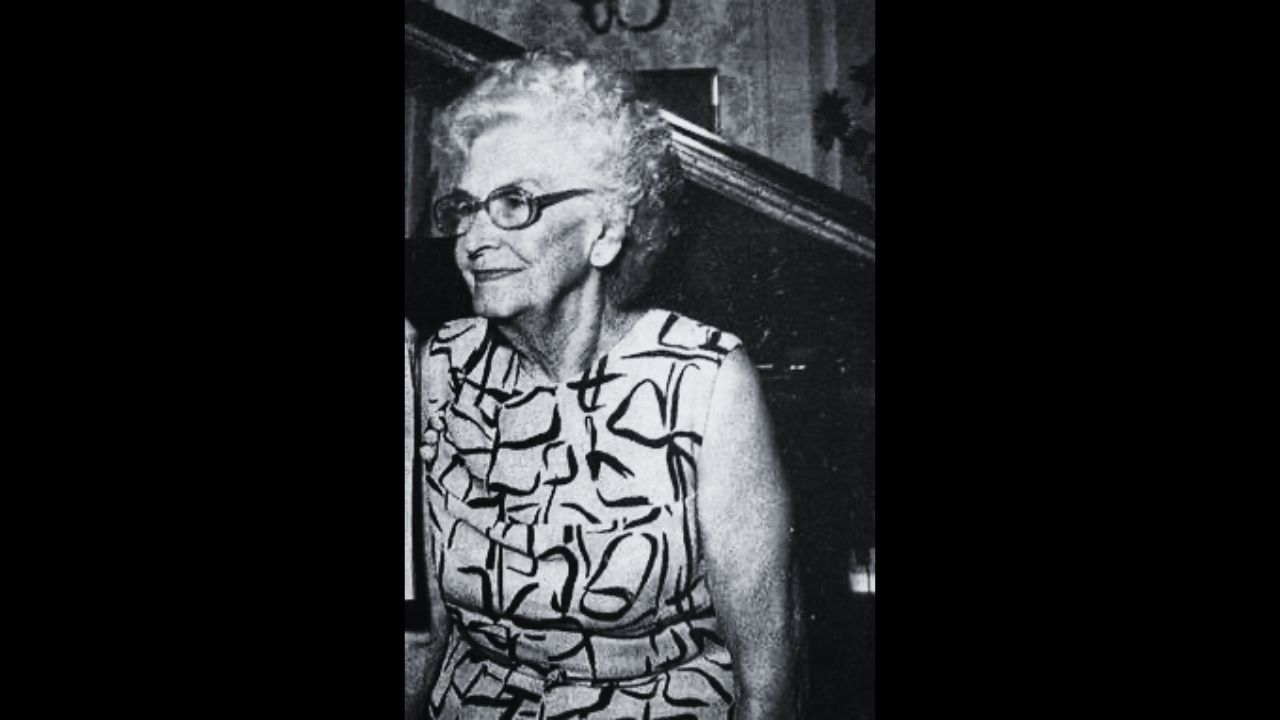
When factual data is limited, researchers sometimes construct hypothetical frameworks to better understand possible identities associated with a name. In the case of Hazel Vorice McCord, such interpretations must remain clearly speculative and grounded in general patterns rather than assumed biography.
For example, one could hypothesize that the name belongs to an individual from a mid-20th century North American background, given the popularity of the first and last names during that period. The middle name could indicate a family-specific naming tradition, possibly honoring a relative or ancestral surname.
However, it is important to emphasize that such interpretations are analytical models rather than confirmed histories. They serve primarily as tools for understanding naming structures and cultural context, not as definitive biographical statements.
The Possibility of Fictional or Unrecorded Identity
Another consideration in cases like this is the possibility that the name may originate from fiction, oral history, or incomplete documentation. Many names appear in literature, local storytelling, or family narratives without ever entering formal public records.
Fictional usage of realistic-sounding names is also common in literature and media, which can sometimes lead to confusion during online searches. Without corroborating evidence, it becomes difficult to distinguish between fictional and historical usage.
Additionally, some individuals may simply exist outside of digitized systems, particularly if they lived in rural areas or time periods with limited record preservation. In such cases, absence of evidence does not necessarily indicate non-existence, but rather incomplete archival coverage.
Conclusion: What Hazel Vorice McCord Represents in Research Contexts
Rather than representing a widely documented public figure, the name Hazel Vorice McCord is better understood as a case study in naming analysis, genealogical uncertainty, and historical documentation limits. It highlights how personal identities can exist in fragmented or partially preserved forms across different record systems.
The exploration of such a name demonstrates the importance of careful interpretation, avoiding assumptions, and respecting the boundaries between verified data and speculative reconstruction. It also reflects how much of human history exists in partial records rather than fully complete narratives.
Ultimately, names like this remind researchers that identity is not always fully visible in digital or public spaces. Instead, it often requires careful contextual analysis, cultural understanding, and acknowledgment of informational gaps.
Frequently Asked Questions
What is the origin of the name Hazel Vorice McCord?
It appears to combine an English nature-based first name, a rare middle name, and a surname of Scottish or Irish origin, but no confirmed unified historical record is widely available.
Is Hazel Vorice McCord a historical public figure?
There is no widely documented evidence identifying this name as a public figure in major historical or public databases.
Why is the middle name Vorice so uncommon?
Vorice is extremely rare and may be a family-specific name, a variation of another name, or a localized naming creation.
Where does the surname McCord come from?
McCord is generally linked to Scottish and Irish Gaelic origins and later spread to North America through migration.
Can more information about this name be found?
Additional details may exist in local archives, genealogical records, or family histories, but they are not widely centralized or easily accessible.
Also read: John Cerasani Net Worth: A Deep Dive Into His Wealth, Career, and Financial Journey