
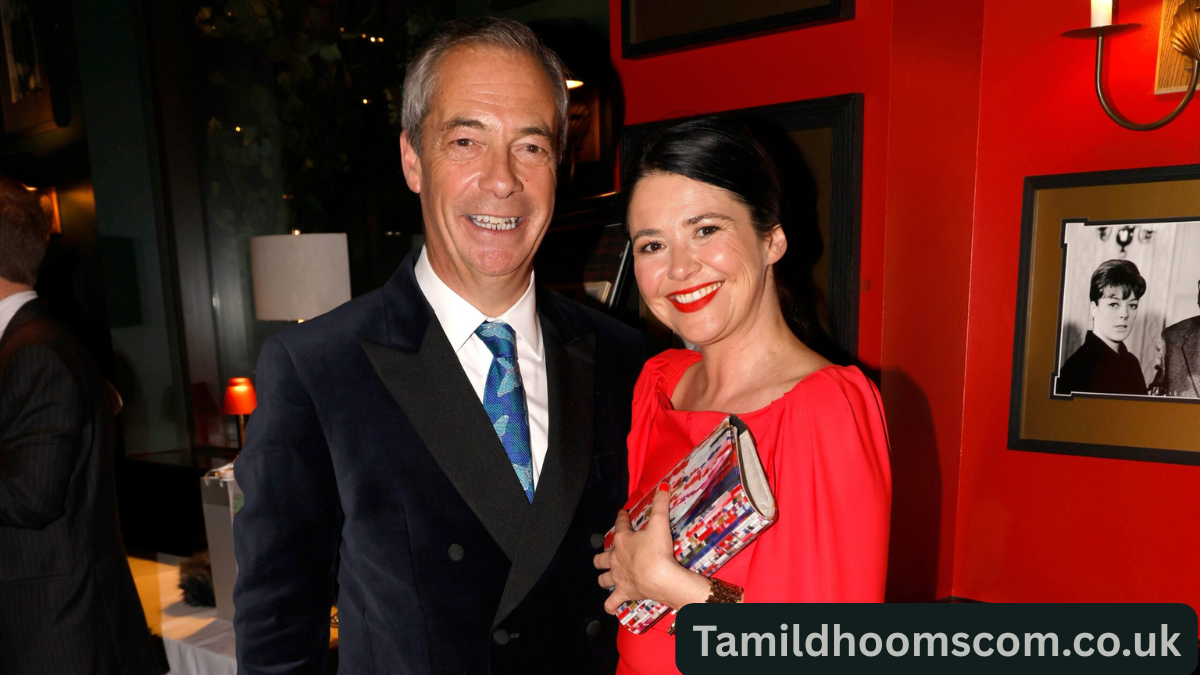
Introduction to Gráinne Hayes
Gráinne Hayes is often mentioned in public discussions primarily because of her past marriage to British political figure Nigel Farage, but reducing her identity to that single connection would miss a much more grounded and human story. She represents a type of person who, despite being briefly connected to public political life, has largely remained private and out of the media spotlight. That contrast between public association and personal privacy is one of the reasons her name continues to appear in biographical discussions.
When people search for her story, they are usually trying to understand the early personal life of Nigel Farage, but what they find is also a snapshot of a woman who lived a professional healthcare career and maintained a relatively low-profile life even during periods of public attention. Unlike many individuals linked to politicians or public figures, she did not pursue media visibility or political commentary after her marriage ended.
Her life story is best understood not as a celebrity narrative, but as a reminder that many people connected to public figures prefer normalcy over attention. This article explores her background, career, marriage, and the broader context that shaped her public recognition, while keeping focus on her as an individual rather than only through association.
Early Life and Background
Details about Gráinne Hayes’ early life are not widely publicized, which already tells something important about her character and priorities. She was not someone who built a public persona or sought recognition, and that remains consistent throughout her life story. What is known suggests she grew up in Ireland and later trained in nursing, a profession that requires discipline, empathy, and resilience.
Her decision to enter nursing is often seen as reflective of a practical and service-oriented mindset. Nursing is not just a career choice but a demanding path that involves emotional intelligence and a strong sense of responsibility toward others. This foundation likely shaped how she approached both her professional and personal life later on.
Before becoming connected to political life through marriage, she was primarily focused on healthcare work and building a stable career. There is little indication that she sought public attention during these early years, which aligns with her later preference for privacy. Her background is a reminder that many individuals who later become indirectly associated with public figures already have fully developed personal and professional identities.
Nursing Career and Professional Life
Gráinne Hayes built her career in nursing, a profession that places individuals in high-pressure environments where decision-making and compassion must coexist. Nursing, particularly in hospital settings, requires both technical skill and emotional stability, and she was trained within that demanding structure.
Her work as a nurse is often mentioned in relation to how she met Nigel Farage. At the time, she was working in a healthcare environment where she encountered patients from various backgrounds, including those involved in serious incidents. It is within this professional context that their paths crossed, long before either of them had any expectation of political prominence.
Outside of that connection, her nursing career stands as a defining part of her identity. It reflects a life built around care for others rather than public recognition. Many accounts of her life emphasize that she did not transition into public-facing roles, media commentary, or political engagement even after her marriage brought her closer to public attention. Instead, she remained aligned with healthcare and private life values.
Meeting Nigel Farage and Relationship Beginning
The meeting between Gráinne Hayes and Nigel Farage is often described in biographical summaries of Farage’s early life, particularly because it occurred under unusual circumstances. At the time, Farage was a young man recovering from a serious incident that required hospital care, where Hayes was working as a nurse. Their interaction began in a professional healthcare setting, which gradually developed into a personal connection.
This type of origin story is not uncommon in real life, where relationships form through repeated human interaction in care-based environments. However, in their case, it became part of a larger public narrative due to Farage’s later political career. What began as a private and personal connection eventually became a footnote in political biographies.
Despite the attention later given to their relationship, it is important to understand that at the time, neither individual was in the public eye. Their relationship developed away from media scrutiny, and this allowed it to progress in a relatively normal way compared to many public figure relationships. The early stage of their connection reflects a period of ordinary life before political exposure changed the context around it.
Marriage and Family Life
Gráinne Hayes and Nigel Farage were married in 1988, marking the beginning of a new chapter in both of their lives. At that point, Farage was still far from the political figure he would later become, and their life together was largely private and domestic. The marriage took place before the rise of his political career, which means their early years together were not influenced by public expectations or media attention.
During their marriage, they had children and built a family life that was centered around normal routines rather than public engagement. Hayes is often described as maintaining a stable home environment while Farage pursued his early professional ambitions. This balance between private life and emerging public interest would later become more difficult to maintain.
Family life during this period was not widely documented, which again reflects Hayes’ preference for privacy. Unlike many spouses of political figures who later step into media roles or public commentary, she did not adopt a public-facing identity. Instead, she remained focused on family responsibilities and her personal life away from political developments.
Life in the Public Eye (or Lack Thereof)
One of the most notable aspects of Gráinne Hayes’ life is how little she engaged with public attention even when her husband’s profile began to rise. As Nigel Farage moved closer to political involvement, eventually becoming a prominent public figure in British politics, she remained largely outside of that world.
This separation between public and private life is significant because it demonstrates a conscious or natural boundary. Many spouses of politicians become part of media narratives, whether willingly or unwillingly. In Hayes’ case, she largely avoided that trajectory. There are very few public statements, interviews, or appearances associated with her, which is unusual in the context of modern political families.
Her limited presence in public discourse has contributed to a certain level of curiosity about her. People often interpret silence as mystery, but in her case it is more accurately seen as a preference for privacy. She did not transition into a public role, and that decision shaped how she is remembered in relation to Farage’s early life.
Challenges in the Marriage
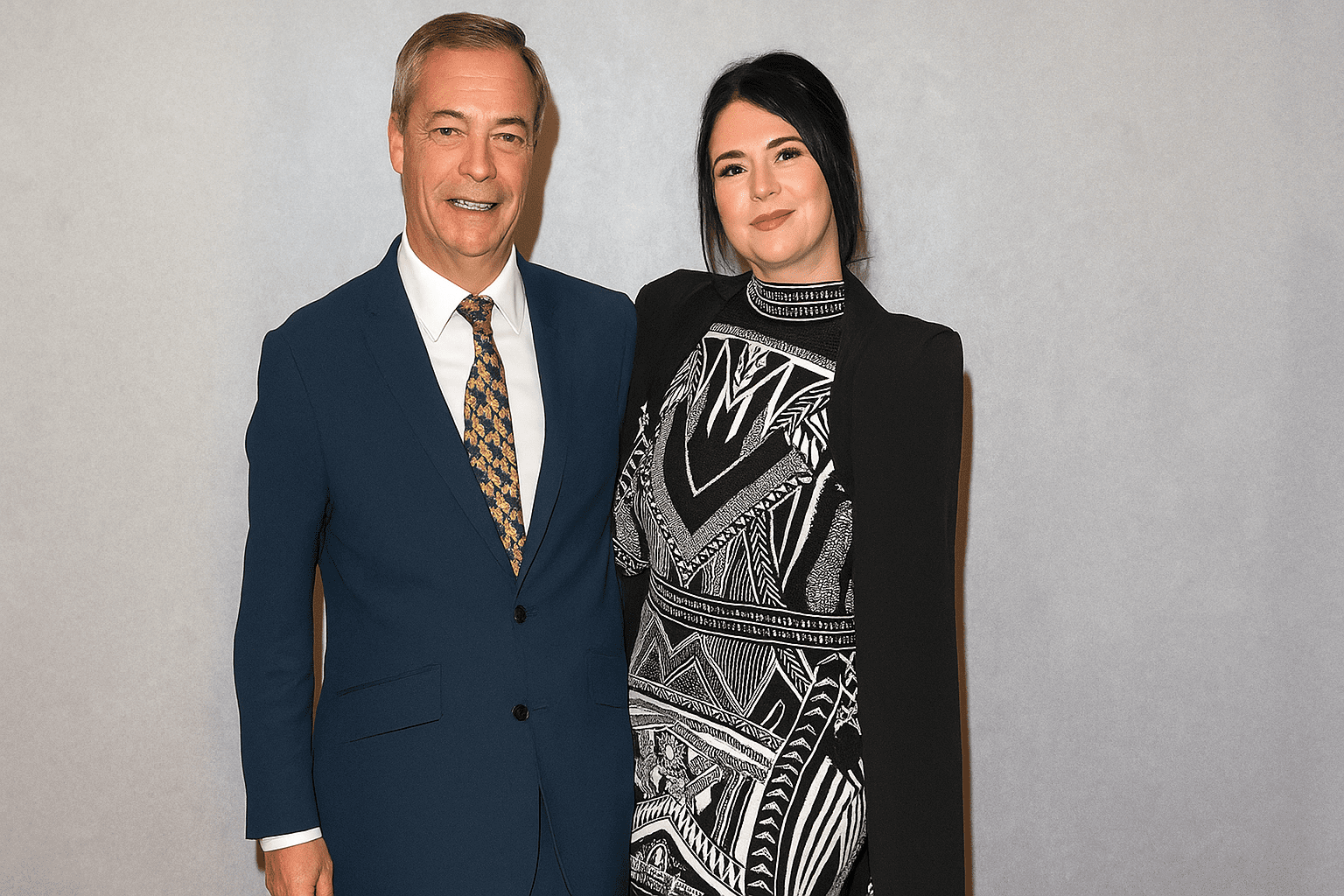
Like many relationships that begin in ordinary circumstances and later become affected by external pressures, the marriage between Gráinne Hayes and Nigel Farage faced challenges over time. As Farage’s career began to evolve, the demands on his time and attention increased significantly, creating natural strain within family life.
Political ambition often brings changes in lifestyle, priorities, and public exposure, and these changes can be difficult for any relationship to navigate. While specific private details are not extensively documented, it is widely understood that the growing gap between personal life and political engagement contributed to difficulties in the marriage.
Another factor often discussed in general biographies is the shift in identity that comes with public life. When one partner becomes increasingly involved in political or public work, the balance within a relationship can change in ways that are hard to manage. In this case, those pressures eventually contributed to the end of the marriage.
Divorce and Aftermath
The marriage between Gráinne Hayes and Nigel Farage ended in divorce in 1997. By that time, Farage was beginning to establish himself more firmly in political circles, and their separation marked a turning point in both of their lives. The divorce itself was not heavily publicized, and Hayes did not engage in public commentary about it.
After the separation, she continued her life away from media attention. Unlike some individuals who remain connected to public narratives after divorcing political figures, she maintained her privacy and did not participate in public discussions about Farage’s career or personal life.
The aftermath of the divorce also highlights her consistent approach to privacy. Even as Farage became increasingly visible in British and European politics, she remained outside of that sphere. This separation allowed her to maintain a life that was not defined by political developments.
Personal Life After Separation
Following her divorce, Gráinne Hayes continued to prioritize privacy and personal stability. There is little public information about her later life, which is consistent with her earlier approach to avoiding media attention. This absence of publicity is not necessarily a gap in her story, but rather a reflection of her choices.
She did not pursue public commentary, political involvement, or media work. Instead, she appears to have continued living a private life, likely maintaining connections to healthcare or other personal interests. This type of post-public-life transition is often overlooked, but it is actually common among individuals who briefly become associated with public figures.
Her ability to remain out of the spotlight also suggests a deliberate boundary between her past marriage and her independent identity. Many people in similar positions find it difficult to separate themselves from public narratives, but she managed to maintain that distinction.
Public Perception and Media Coverage
Public perception of Gráinne Hayes is largely shaped by her association with Nigel Farage rather than her own public activities. Because she has chosen not to participate in media discussions, most references to her appear in biographical or political contexts.
Media coverage of her has generally been minimal, often limited to factual references in articles about Farage’s early life. This lack of coverage contributes to a somewhat understated public image. She is not a public commentator, political figure, or media personality, which limits the scope of discussion about her.
At the same time, this absence of visibility has created curiosity. People often seek more information about individuals who are connected to well-known figures but remain personally private. In Hayes’ case, that curiosity is met with very little public material, reinforcing her preference for privacy.
Legacy and Public Interest
The legacy of Gráinne Hayes is not defined by public achievements or media presence, but rather by her role in a specific period of another public figure’s life. That does not diminish her individuality, but it does place her story within a particular context.
Her continued relevance in searches and discussions reflects ongoing interest in the early personal life of Nigel Farage, rather than any public career of her own. However, she also represents a broader category of individuals who become indirectly known through association but choose not to engage with public identity.
Her legacy, in a quiet sense, is one of privacy and independence from public narrative. In an era where personal lives are often heavily documented, her limited public footprint stands out as intentional or at least consistent with personal preference.
Reflections on Privacy and Public Figures
Gráinne Hayes’ story highlights an important contrast between public life and private existence. While Nigel Farage’s career placed him in the center of political debate and media attention, she chose to remain outside of that environment. This contrast shows how two lives can diverge significantly after shared beginnings.
Her example also reflects a broader reality: not everyone connected to public figures seeks visibility or influence. Some individuals prefer to maintain control over their personal boundaries, even when circumstances bring them into indirect public attention.
In many ways, her story is less about fame and more about discretion. It demonstrates that privacy can still be maintained even when associated with highly visible individuals, and that not all biographies need to be shaped by public engagement.
FAQs
Who is Gráinne Hayes?
Gráinne Hayes is an Irish nurse best known for her past marriage to Nigel Farage.
Was Gráinne Hayes involved in politics?
She was not involved in politics and remained focused on her private and professional life.
When was Gráinne Hayes married to Nigel Farage?
She married Nigel Farage in 1988 and later divorced him in 1997.
Did Gráinne Hayes stay in the public eye after her divorce?
No, she chose to remain private and did not pursue media or public roles after the separation.
What was Gráinne Hayes’ profession?
She worked as a nurse, a career focused on healthcare and patient care.
Does Gráinne Hayes give interviews or public statements?
No, she has largely stayed out of public media and does not regularly engage in interviews or public commentary.
Also read: This City Is Ours : Full Breakdown, Story, Themes, and Meaning