
Introduction to the Hurricane Recipe
The hurricane recipe is one of those classic cocktail-style creations that instantly brings a sense of tropical energy, color, and celebration. It’s known for its vibrant appearance and bold fruity profile, often associated with beach parties, summer evenings, and lively gatherings. While it has roots in New Orleans cocktail culture, its popularity has spread far beyond, becoming a staple in many home kitchens and bars around the world.
At its core, the hurricane recipe is about balance between sweet, tart, and strong flavors. It typically combines fruit juices like passion fruit, orange, or pineapple with rum, creating a drink that is both refreshing and deceptively strong. The beauty of this drink is how customizable it is, allowing both beginners and experienced mixologists to experiment freely.
What makes the hurricane recipe particularly interesting is how it evolved. It wasn’t originally designed as a refined cocktail but more as a creative solution using available ingredients. Over time, it transformed into a signature drink that carries both cultural and culinary significance. Today, it’s not just a drink but an experience that reflects creativity and indulgence.
Origins and History of the Hurricane Recipe
The hurricane recipe traces its roots back to New Orleans in the 1940s, a city already famous for its vibrant food and drink culture. During this time, rum was more readily available than other spirits, especially whiskey, which was harder to obtain due to wartime restrictions. Bartenders began experimenting with rum-based cocktails, leading to the creation of what we now know as the hurricane.
The drink gained its name because it was traditionally served in a glass shaped like a hurricane lamp. This distinctive glassware quickly became part of its identity, helping the drink stand out visually in busy bars. The eye-catching presentation contributed significantly to its popularity, especially among tourists visiting the French Quarter.
Over the decades, the hurricane recipe evolved from a simple bar experiment into a cultural icon. It became closely associated with celebrations, especially Mardi Gras. The drink’s sweet yet strong nature made it a favorite for festive occasions, where people wanted something fun, colorful, and memorable.
Key Ingredients in a Classic Hurricane Recipe
A traditional hurricane recipe relies on a few essential ingredients that define its signature flavor. The most important base is rum, usually a combination of light and dark varieties. This combination gives the drink depth, with light rum adding smoothness and dark rum providing richness.
Fruit juices play a major role in shaping the drink’s profile. Passion fruit juice is considered the most authentic ingredient, offering a sweet and slightly tangy tropical flavor. Orange juice and lemon or lime juice are often added to balance the sweetness and bring brightness to the overall taste.
Sweeteners like simple syrup or grenadine are also commonly used. These ingredients enhance the fruity notes and contribute to the drink’s iconic reddish-pink color. Some variations even include pineapple juice or mango puree for an extra tropical twist, making the drink even more indulgent.
Step-by-Step Preparation of a Hurricane Recipe
Preparing a hurricane recipe at home is surprisingly simple, even though the final result looks and tastes like something from a professional bar. The process begins with gathering all ingredients in proper proportions to ensure balance. Precision is important because too much sweetness or alcohol can easily overpower the drink.
The next step involves mixing the juices and sweeteners first. This allows the flavors to blend evenly before the alcohol is introduced. Once the base is well combined, rum is added gradually, ensuring that the strength of the drink is controlled and consistent.
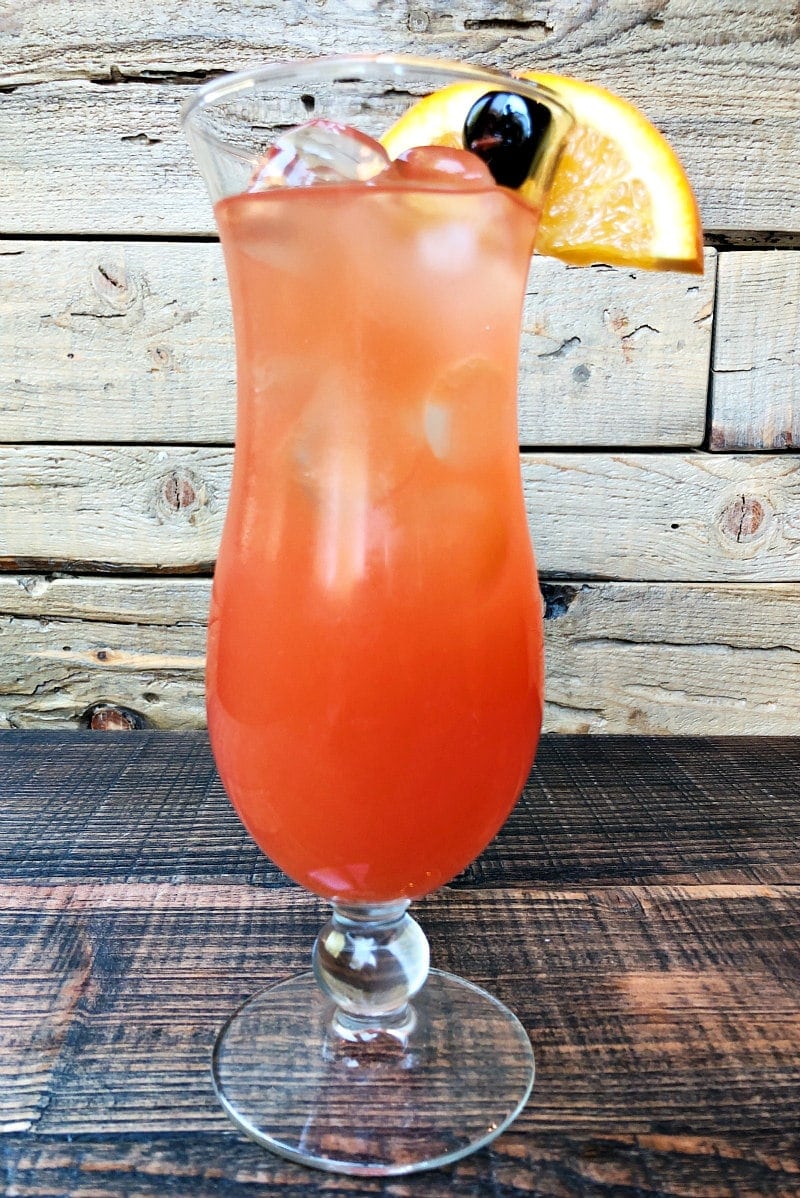
Finally, the mixture is shaken or stirred with ice to chill it thoroughly. The drink is then strained into a hurricane glass filled with fresh ice. Garnishing with orange slices, cherries, or even a pineapple wedge enhances both the appearance and aroma, completing the classic presentation.
Variations of the Hurricane Recipe
One of the most exciting aspects of the hurricane recipe is its versatility. Over time, countless variations have emerged, each adding a unique twist to the original formula. Some versions focus on reducing sweetness for a more balanced cocktail, while others amplify the fruitiness for a dessert-like experience.
A popular variation includes using coconut rum instead of traditional dark rum. This adds a creamy tropical layer that pairs beautifully with pineapple juice. Another variation replaces passion fruit juice with guava or mango, creating a slightly different but equally refreshing profile.
There are also non-alcoholic versions of the hurricane recipe, often called “mock hurricanes.” These versions use fruit juices, soda, and flavored syrups to replicate the taste without alcohol. They are perfect for family gatherings or those who prefer a lighter beverage option.
Expert Tips for Perfecting the Hurricane Recipe
Mastering the hurricane recipe requires attention to detail and a few insider tricks. One of the most important tips is to always use fresh juice whenever possible. Freshly squeezed citrus juice significantly improves the overall flavor compared to bottled alternatives.
Another key tip is to balance sweetness carefully. Many beginners tend to over-sweeten the drink, which can mask the complexity of the rum. A good hurricane recipe should have layers of flavor rather than just sugary notes, so tasting as you mix is essential.
Chilling the ingredients beforehand is another professional technique. When everything is already cold, the drink maintains its consistency longer without becoming diluted too quickly. This ensures that the last sip tastes just as good as the first.
Common Mistakes When Making a Hurricane Recipe
Even though the hurricane recipe is relatively simple, there are a few common mistakes that can affect the final result. One frequent issue is using too much juice and not enough alcohol balance, which results in a drink that tastes more like fruit punch than a cocktail.
Another mistake is skipping the proper shaking or mixing process. Without thorough blending, the flavors remain separated, leading to an uneven drinking experience. Proper mixing ensures harmony between all ingredients.
Using low-quality rum is another error that can drastically impact the taste. Since rum is the backbone of the hurricane recipe, choosing a good-quality brand makes a noticeable difference in both flavor and aroma.
Serving Suggestions and Presentation Style
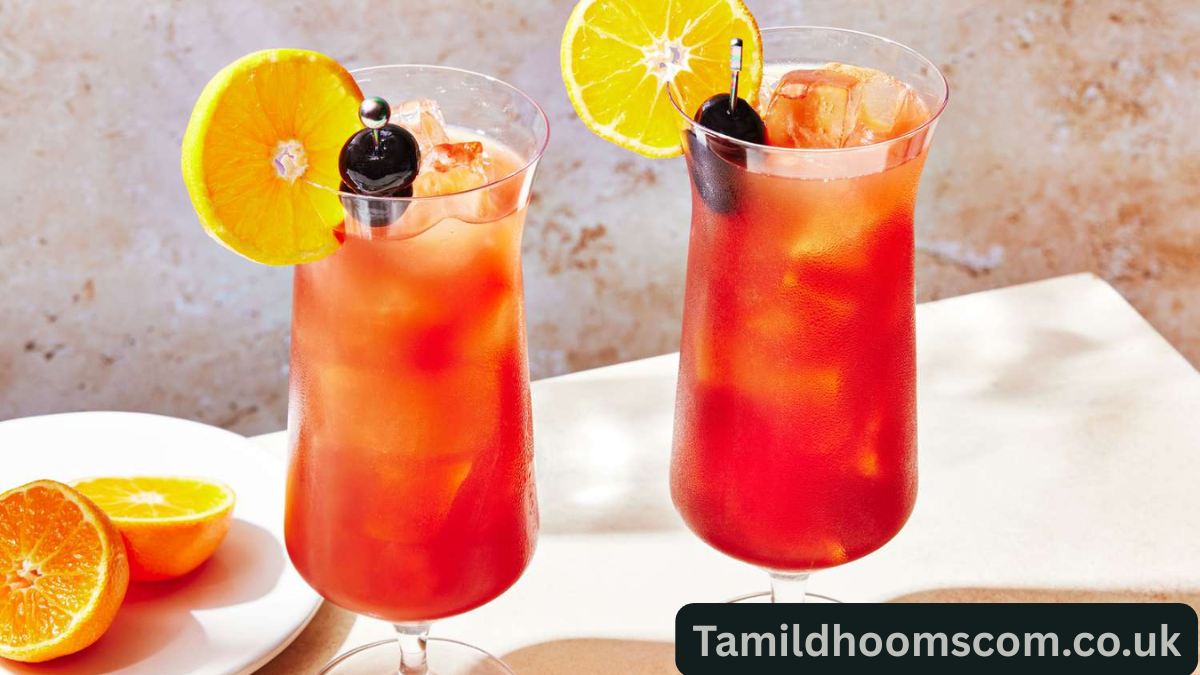
Presentation plays a huge role in the appeal of the hurricane recipe. Traditionally, it is served in a tall, curved hurricane glass that enhances its visual impact. The bright red or orange color of the drink looks especially attractive in this type of glassware.
Garnishing is another important aspect. Fresh fruit slices, maraschino cherries, and even edible flowers are commonly used to elevate the presentation. These garnishes not only make the drink visually appealing but also add subtle aromatic notes.
Serving the hurricane recipe with crushed ice or large ice cubes can also influence the drinking experience. Crushed ice creates a more refreshing, slushy texture, while larger cubes help maintain flavor concentration over time.
Food Pairings with Hurricane Recipe
The hurricane recipe pairs exceptionally well with a variety of foods, especially those with bold or spicy flavors. Caribbean-inspired dishes, grilled seafood, and spicy chicken wings are all excellent companions. The sweetness of the drink helps balance heat and spice in food.
Fried appetizers also work well with this cocktail. Items like shrimp fritters, calamari, or plantain chips complement the fruity notes of the drink. The contrast between crispy textures and refreshing liquid enhances the overall dining experience.
For a lighter pairing, tropical fruit salads or citrus-based desserts can be a perfect match. These combinations highlight the natural fruit flavors already present in the hurricane recipe.
Storage and Batch Preparation Tips
The hurricane recipe can be prepared in larger batches for parties and gatherings. When doing so, it’s important to maintain proper ratios to ensure consistency across servings. Mixing everything in advance (except ice) helps save time during serving.
Storing the mixture in a sealed container in the refrigerator keeps it fresh for several hours. However, it is best consumed within the same day to preserve the brightness of the fruit juices.
When serving from a batch, always stir the mixture before pouring. This ensures that any settled ingredients are evenly distributed, maintaining flavor consistency in every glass.
Nutritional Overview of the Hurricane Recipe
While the hurricane recipe is not typically considered a health drink, understanding its nutritional profile can be useful. It generally contains sugars from fruit juices and added sweeteners, along with calories from alcohol.
The exact nutritional content varies depending on ingredients used, but it is generally a moderately high-calorie beverage. Reducing added sugar or using fresh fruit juice can make it slightly lighter.
Despite its indulgent nature, the hurricane recipe can still be enjoyed responsibly as part of a balanced lifestyle. Moderation is key, especially when enjoying multiple servings during social events.
Creative Twists and Modern Interpretations
Modern mixologists often experiment with the hurricane recipe to create innovative versions. Some incorporate herbal elements like mint or basil for added freshness. Others use infused syrups such as vanilla or cinnamon to create deeper flavor profiles.
Sparkling versions of the hurricane recipe have also become popular. These include soda water or sparkling wine to add effervescence and a lighter texture. This makes the drink feel more festive and refreshing.
Some chefs even transform the hurricane recipe into frozen cocktails or slushies, blending ice directly into the mixture. This variation is especially popular in hot climates and summer events.
Final Thoughts on the Hurricane Recipe
The hurricane recipe is more than just a drink; it is a celebration of flavor, creativity, and cultural history. Its vibrant appearance and tropical taste make it a favorite for both casual gatherings and special occasions. Whether you stick to the classic version or explore modern variations, it always delivers a memorable experience.
What makes this recipe truly special is its flexibility. It welcomes experimentation while still maintaining its core identity. That balance between tradition and innovation is what keeps the hurricane recipe relevant even today.
Ultimately, the hurricane recipe is about enjoyment. It’s a drink meant to be shared, appreciated, and adapted to personal taste, making it a timeless addition to any cocktail collection.
FAQs
What is a hurricane recipe made of?
It is typically made with rum, fruit juices like passion fruit and orange, and sweeteners such as syrup or grenadine.
Can I make a non-alcoholic hurricane recipe?
Yes, you can replace alcohol with extra fruit juice, soda, or flavored syrups for a mocktail version.
Why is it called a hurricane recipe?
It is named after the hurricane lamp-shaped glass it is traditionally served in.
Can I prepare hurricane recipe in advance?
Yes, you can mix it in advance and refrigerate it, but avoid adding ice until serving time.
What rum is best for hurricane recipe?
A mix of light and dark rum is traditionally used for balanced flavor.
Also read: LucyWells JerseyExpress Net: Complete Guide, Meaning, and Online Context Explained